Australia’s summer conditions can place significant stress on shade sail, with prolonged UV exposure, high temperatures, and seasonal storms contributing to wear over time. Preparing your shade sail before the warmer months arrive can help maintain its appearance, performance, and lifespan while ensuring it continues to provide effective shade when it’s needed most.
1. Check Fabric Tension
A properly tensioned shade sail is less likely to sag or flap in strong summer winds.
2. Inspect for Signs of Wear
Look for fading, small tears, stretched fabric, or worn stitching that may worsen during periods of intense heat.
3. Clean Away Dirt and Debris
Remove leaves, bird droppings, and built-up grime to prevent staining and keep the fabric in good condition.
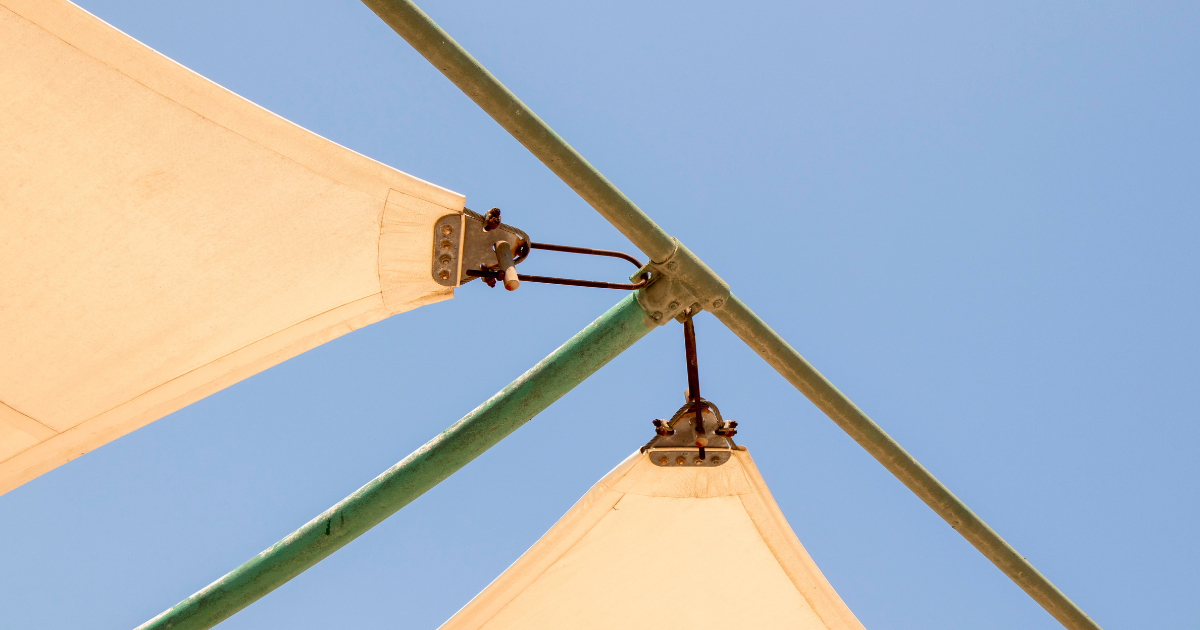
4. Examine Hardware and Fixings
Ensure turnbuckles, shackles, and attachment points are secure and free from corrosion.
5. Schedule a Pre-Summer Inspection
A professional inspection can identify potential problems before peak summer conditions place additional stress on the structure.
Taking these simple steps can help protect your shade sail investment and ensure your outdoor shade structure remains safe, functional, and ready for the summer season. Regular shade sail maintenance, inspections, and timely repairs can also help maximise the lifespan of both residential and commercial shade sails. https://sunshadeprocare.com.au/