How Wind and Storms Damage Shade Structures (and Practical Ways to Prevent It)

Wind and storm events can place significant stress on shade structures, often in ways that are not immediately visible.

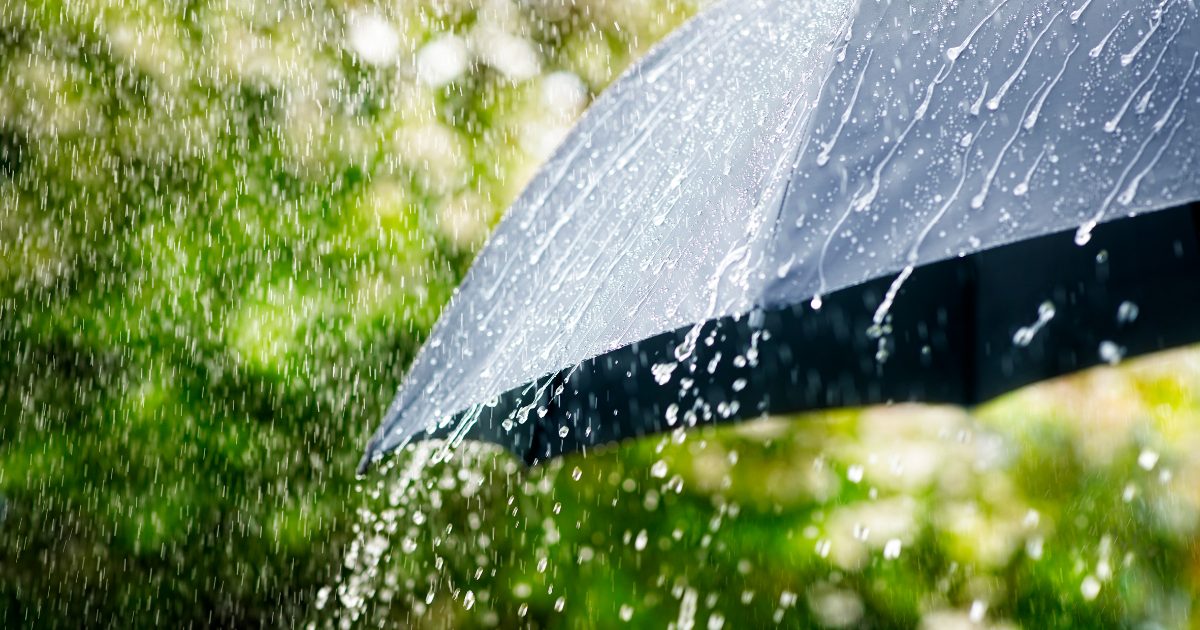
Strong gusts create uplift forces that can loosen fixings, bend support frames, or stretch and tear shade fabric. Heavy rain can add excess weight, particularly when water pools due to poor tension or drainage, while wind-driven debris may puncture or abrade materials. Over time, repeated exposure to these conditions can gradually weaken structural integrity, leading to sagging, fabric degradation, or even complete failure during severe weather events.

Preventing storm-related damage begins with smart design and quality materials.

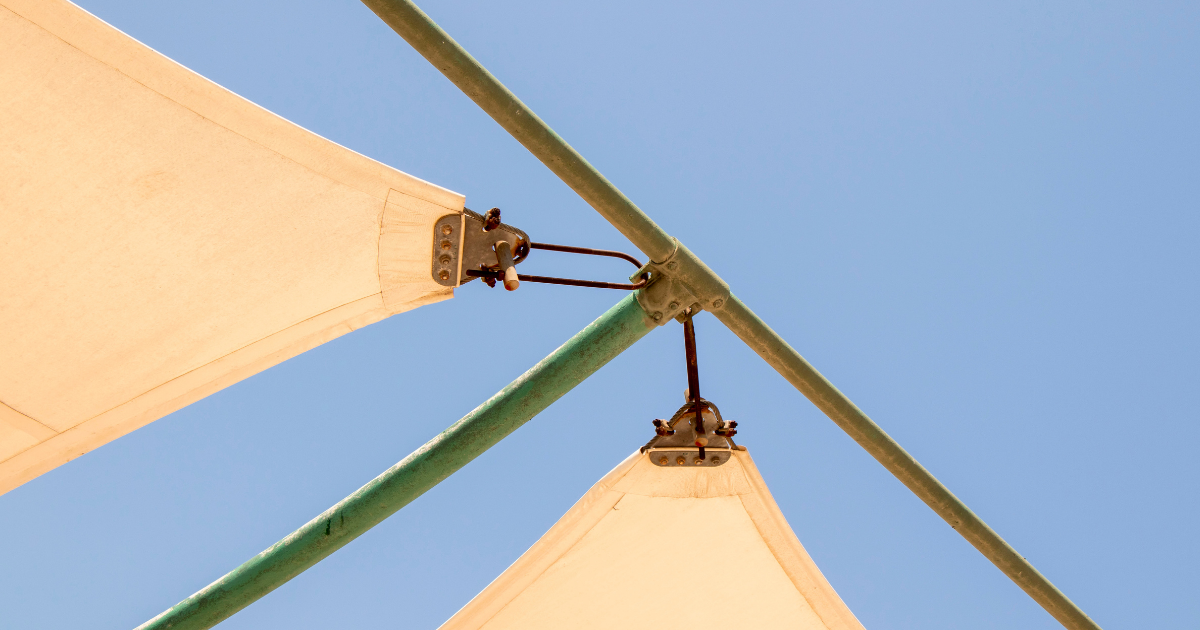
Proper tensioning is essential—it reduces fabric movement and minimizes strain on connection points. Using durable, UV-stabilized shade cloth and corrosion-resistant hardware helps ensure the structure can withstand harsh environmental conditions. Equally important is secure installation: posts should be anchored at appropriate depths with strong footings to resist movement in high winds. Incorporating proper angles and allowing adequate water runoff also helps prevent pooling and reduce stress during heavy rainfall.

Ongoing maintenance is key to extending the lifespan of shade structures.

Routine inspections can identify loose fittings, worn fabric, or signs of corrosion before they worsen. Keeping the surrounding areas clear of debris and trimming nearby trees can reduce the risk of impact damage in storms. In regions prone to extreme weather, temporarily adjusting tension or removing shade sails ahead of major storm events can further protect the structure. With a combination of preventative design and regular care, shade systems can remain safe, functional, and resilient despite changing weather conditions.
Service Inquiry

Related Posts

Ensure schools and parks remain safe, compliant, and protected from Australia’s harsh UV conditions with regular shade structure maintenance, inspections, and timely repairs….
Regular maintenance of sun shade structures can prevent minor issues from becoming costly repairs. By identifying wear, UV damage, and hardware problems early, property owners can extend the life of their shade systems, improve safety, and save thousands in long-term replacement costs….
Coastal conditions can take a toll on shade structures, with salt air, strong winds, and UV exposure contributing to fabric wear and corrosion over time. Regular shade sail cleaning, inspections, and preventative maintenance help protect structural integrity, extend lifespan, and reduce the risk of costly repairs. A proactive maintenance approach ensures outdoor shade structures remain safe, durable, and visually appealing throughout the year….
Regular sun shade maintenance, professional cleaning services for sun shades, and routine awning maintenance and cleaning are essential for preserving the safety, appearance, and lifespan of outdoor shade structures. Choosing an experienced maintenance provider can help identify potential issues early, maintain fabric performance, and ensure shade sails and awnings remain clean, durable, and effective year-round….
Discover how wind and storms damage shade structures and how to prevent costly failures. Learn about common risks such as uplift forces, fabric wear, and water pooling, plus expert tips for proper design, durable materials, secure installation, and regular maintenance to keep your shade sails strong, safe, and long-lasting in harsh weather conditions….
Maintaining shade structures in Australia helps reduce heat, limit UV exposure, and extend the life of shade sails and canopies. Regular cleaning, repairs, and inspection services support safer, more sustainable outdoor spaces while improving long-term performance and compliance….

Leave a Reply

Your email address will not be published. Required fields are marked *